Tiny Rooms Design And Decorate How to Win Tiny Rooms Rounds
Vote-winning habits: lighting, focal points, theme fidelity, calm layouts, and smarter visiting.
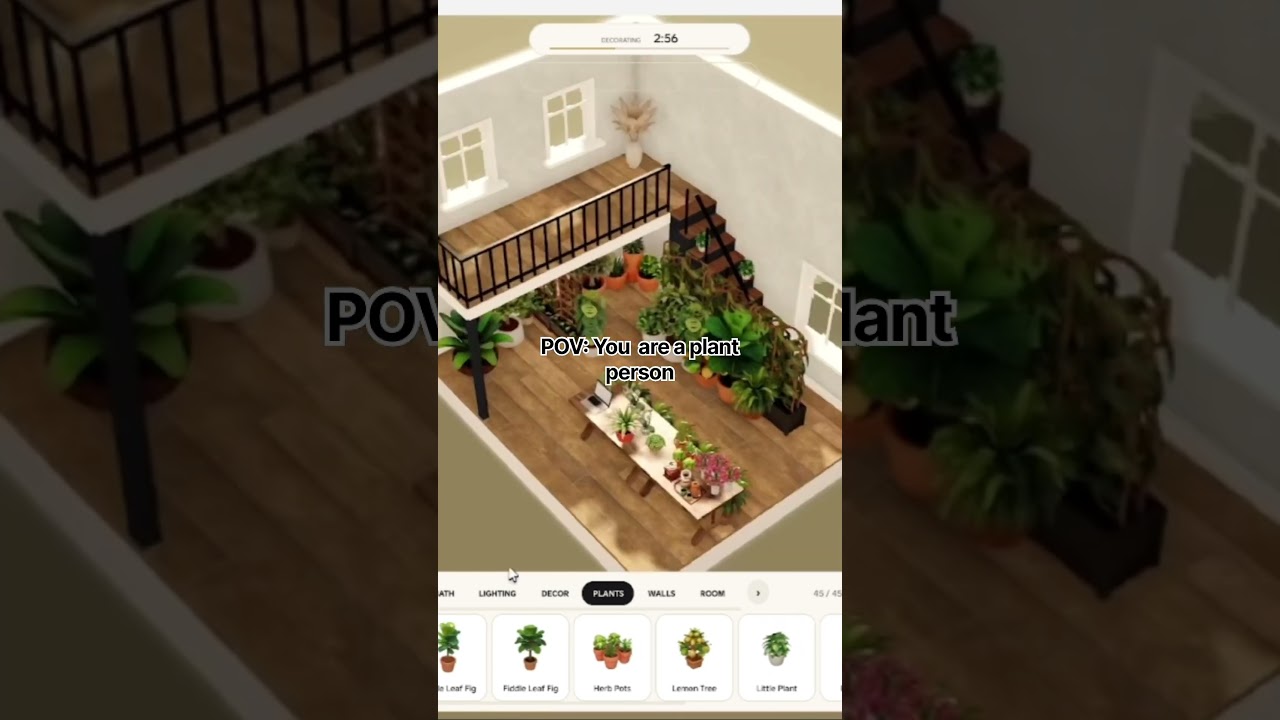
Winning in Tiny Rooms: Design And Decorate is not about owning every catalog piece. Rounds end with visits and votes, and the rooms that feel cosiest under the stated theme rise. Soft colours, warm lamps, and fluffy rugs are the shared visual language. Your edge comes from reading the prompt, lighting a clear story, and editing ruthlessly so voters understand the mood in three seconds.
This page focuses on scoring through votes, what cozy actually looks like in a tiny footprint, lighting and focal-point craft, clutter control, theme fidelity, and how to use the visit phase as research. Pair it with Getting Started if you are new, Theme Design Tips for prompt recipes, Controls if the UI slows you down, and Furniture tiers when you need category priorities.
How scoring works: votes for cosiness
After the decorate phase, players tour rooms and cast votes. There is no hidden combat stat. Perception wins. A room that feels warm, readable, and true to the theme collects more votes than a denser room that looks like a storage unit. Max lobby size is twelve, so every sincere vote matters and every unfinished corner is visible.
Vote for rooms you would want to sit in. That habit trains your eye. When your own builds start matching the rooms you naturally upvote, your win rate climbs without chasing gimmicks.
What makes a room feel cozy
Cozy is a combination of warmth, softness, and human scale. In Tiny Rooms that usually means:
- A short palette of soft colours instead of high-contrast rainbow spam.
- At least one warm lamp that suggests evening light rather than office brightness.
- A fluffy rug that grounds seating or a bed so the floor does not feel empty.
- Soft seating or bedding that invites rest, not parade furniture facing nowhere.
- Small lived-in cues: a side table with purpose, a plant softening a corner, wall decor that supports the story.
Empty rooms feel cold. Overstuffed rooms feel stressful. The sweet spot is a finished nest with a clear place to sit or sleep and light that wraps the main furniture.
Lighting wins rounds
Place lamps before you obsess over trinkets. A warm lamp beside a chair or bed sells atmosphere even if your prop count is low. Twin lamps can frame a sofa or headboard and create symmetry voters notice instantly. Avoid burying light sources behind tall cabinets where glow never reaches the rug.
Think about where voters will stand when they enter. Light the path and the focal furniture first. Dim corners can be intentional if the main zone glows; accidental darkness across the whole room reads unfinished. Recolor lamp shades toward cream, amber, or soft blush so the light feels gentle on soft wall colours.
Build one focal point, then support it
Every winning room needs a single answer to the question: where would I look first? Choose one focal point early.
- Bedrooms: the bed dressed with coordinated bedding and flanking lamps.
- Living rooms: a sofa and rug pair with a lamp or fireplace-adjacent glow.
- Attics: a reading nook under the slope with a soft chair and warm light.
- Balconies: a seating pair facing the view with plants as a soft rail.
- Lofts: a clear upstairs sleep zone or downstairs lounge, not both fighting equally.
Support pieces should orbit that focus. Side tables, plants, and wall art are satellites, not co-stars. If a second large piece steals attention, shrink its visual weight with quieter swatches or remove it.
Avoid clutter without looking empty
Clutter is the most common way skilled decorators lose. Tiny footprints punish object spam. Use a simple edit pass in the final minute:
- Remove anything that does not reinforce the theme or the focal point.
- Keep walking lanes so visitors can tour without clipping through furniture.
- Limit competing patterns. One busy rug plus quiet furniture usually beats busy-on-busy.
- Group small props in odd numbers near the focus instead of sprinkling them on every surface.
- Prefer one strong plant over five tiny ones that read as noise.
If the room still feels sparse after edits, improve materials and lighting rather than adding more shapes. A better rug and a warmer lamp outperform three extra shelves.
Theme fidelity beats generic pretty
A beautiful room that ignores the prompt loses to a slightly simpler room that answers it. Autumn bedrooms want harvest softness and layered textiles. Grandma living rooms want nostalgic comfort and approachable seating. Snug attics want intimacy under slopes. Balcony rooms want outdoor-indoor breathability. Two-storey lofts want a readable vertical story.
Before you place the tenth prop, ask whether a stranger could name the theme from a screenshot. If not, push palette, furniture typology, and props back toward the prompt. Detailed recipes live on Theme Design Tips.
Visiting strategy that improves your next build
Visiting is not only voting time; it is free coaching. On each tour, note one lighting idea, one rug placement, and one mistake to avoid. Screenshot mental before-and-after goals: warmer lamp, clearer sofa axis, less wall clutter.
Vote quickly for obvious cozy wins so you have time to study borderline rooms. Borderline rooms teach the most because you can articulate why they almost worked. Carry those notes into the next decorate phase instead of repeating your last layout on autopilot.
Session habits of consistent winners
- Start with theme word, focal furniture, rug, and lamp before accessories.
- Recolor early so later props match the palette instead of forcing awkward swatches at the buzzer.
- Watch the timer. A finished eighty-percent room beats an unfinished hundred-percent dream.
- Level for free spins so your catalog can answer more themes; see Getting Started for the progression loop and Codes for extra unlocks.
- Review Furniture tiers when you are unsure which category to upgrade first for vote impact.
Cosy wins are repeatable. Light the story, honour the theme, edit until the room breathes, and learn from every visit. Do that for a handful of rounds and Tiny Rooms stops feeling like luck and starts feeling like craft.
Frequently Asked Questions
Quick answers for Tiny Rooms Design And Decorate players.
What actually decides the winner?
Player votes after the visit phase. Rooms that feel cosiest and most faithful to the theme tend to collect the most votes.
Is more furniture always better?
No. Tiny Rooms footprints punish clutter. A clear focal point, warm lighting, and a grounding rug usually beat object spam.
How important is lighting?
Critical. Warm lamps create evening comfort that voters notice immediately. Place light before filling every shelf.
What if my room looks pretty but still loses?
Check theme fidelity. Generic pretty rooms lose to simpler builds that clearly answer autumn bedroom, grandma living room, attic, balcony, or loft prompts.
Where should I go next?
Use Theme Design Tips for prompt recipes and the Furniture Tier List for category priorities that support cozy votes.