Tiny Rooms Design And Decorate Voting and Visits in Tiny Rooms
How to tour rooms fast, vote fairly for cosiness, and steal good ideas without copying clutter.
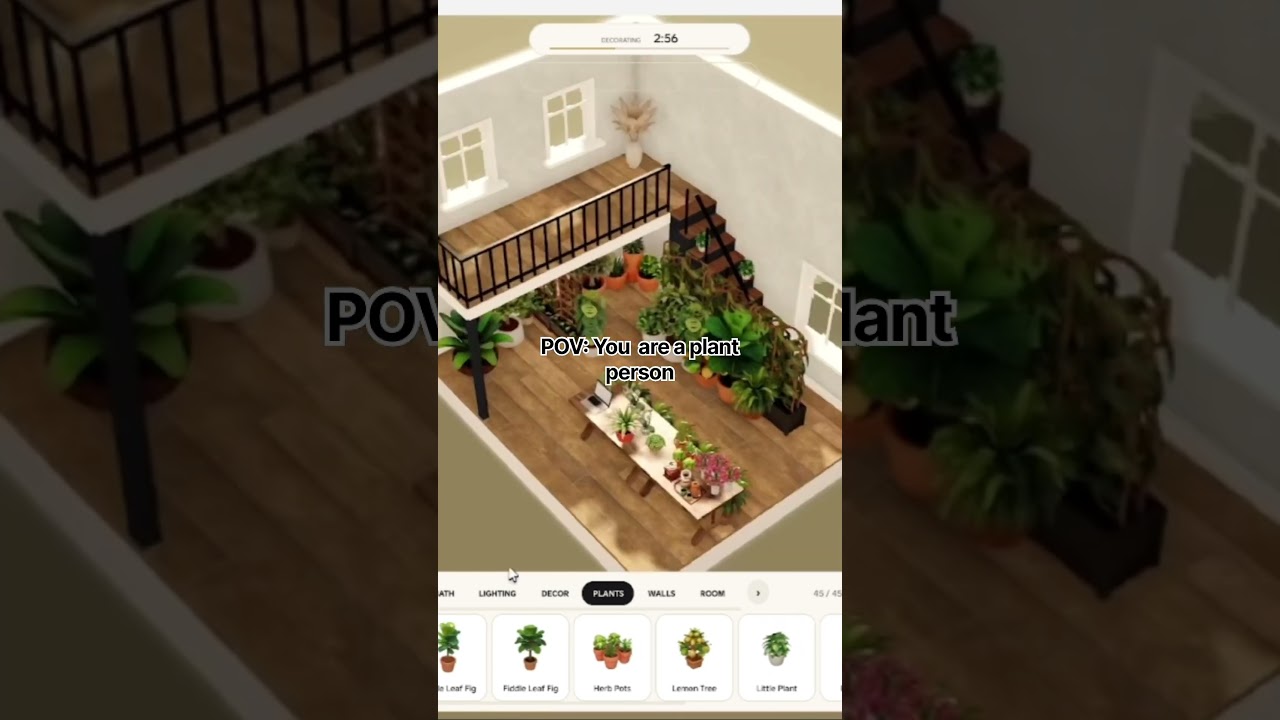
The visit and vote phase is half of Tiny Rooms: Design And Decorate. OrchardField Studios built a cozy decorating loop where up to twelve players style a tiny room to a shared theme, then walk each other’s spaces and vote for the cosiest result. Soft colours, warm lamps, and fluffy rugs win more often than rare clutter. This guide teaches you how to read rooms in seconds, what “cosy” means in practice, how to vote fairly, and how to turn every tour into free design school.
Pair this page with How to Win for scoring craft, Getting Started for the full round loop, Theme Design Tips for prompt recipes, and the Furniture Tier List when you need category priorities.
What the visit phase is for
When decorate time ends, you leave your shell and enter other players’ rooms. You are not only casting a score. You are checking doorway first impressions, lighting hierarchy, theme fidelity, and whether the floor invites you to sit. Max lobby size around twelve means every sincere vote matters and every unfinished corner is visible.
Use visits to answer three questions fast:
- Could a stranger name the theme from the doorway?
- Does warm light wrap a clear focal piece (bed, sofa, or seating nook)?
- Does the room feel soft and breathable, or stressful and stuffed?
If the answer is yes–yes–soft, that room deserves a strong cozy vote.
How to read a room in under ten seconds
Stand at the entry. Do not dive into corner props first. The doorway is what most voters remember.
Silhouette check. Look for one hero shape: a dressed bed, a sofa-and-rug nest, or an attic chair under a lamp. Competing heroes split attention.
Light check. Warm lamps near the focus beat harsh empty brightness or total darkness. Shade colour toward cream, parchment, or soft amber usually reads gentler than pure white glare.
Palette check. Two or three soft colours plus a wood or metal accent feel intentional. Rainbow defaults feel unfinished even when object counts are high.
Path check. Can you walk to the focal zone without clipping a maze? Blocked doorways and prop walls tank cozy scores because voters never see the nest.
Theme check. Autumn bedrooms need sleep softness. Grandma living rooms need welcoming seats. Snug attics need intimacy under slopes. Balconies need breath and plants. Lofts need a readable vertical story. Pretty rooms that ignore the banner lose to simpler theme-true rooms.
What cosy means in Tiny Rooms
Cosiness is warmth plus softness plus human scale. In this game that usually means:
- A short soft palette instead of high-contrast spam
- At least one warm lamp that suggests evening comfort
- A fluffy rug grounding seats or a bed
- Soft seating or bedding that answers “where would I rest?”
- Small lived-in cues that support the story without sticker explosion
Empty rooms feel cold. Overstuffed rooms feel stressful. The sweet spot is a finished nest with light on the main furniture and clear walking space. That definition should guide both how you vote and how you rebuild next round.
Fair voting etiquette
Vote for theme clarity and cosiness, not only for friends. Friendly lobbies stay healthier when podium rooms earned their place. Voting only for your party trains nobody and makes your own feedback noisier.
Good etiquette habits:
- Cast votes for rooms you would actually want to sit in
- Avoid punishing beginners for thin catalogs; reward readable soft builds
- Do not harass players in chat over vote outcomes
- Leave room for multiple strong cozy reads in a twelve-player server
- If two rooms are close, prefer the clearer doorway story and warmer light
Fair votes also improve your craft. When you upvote soft, lit, theme-true rooms, you imprint that pattern for your next decorate phase.
Learning from others without copying clutter
Steal principles, not prop lists. On each tour, capture one lighting idea, one rug placement, and one mistake to avoid. Examples:
- Twin bedside lamps framing autumn bedding
- A fluffy rug pulled partly under a sofa so the nest reads from the door
- Plants used as balcony soft rails instead of center clutter
- Quieter upstairs loft palette matching a warmer downstairs lounge
Then ask what you would delete. Many almost-winning rooms fail because of three extra shelves or neon accents that break the soft family. Bring the principle home; leave the clutter behind.
Screenshot mental notes beat vague feelings. After the round, rebuild one idea immediately while it is fresh. That visit-to-build loop is faster improvement than grinding random furniture unlocks alone.
Visit pacing tips
- Skim obvious cozy winners quickly so you have time for borderline rooms
- Borderline rooms teach the most: articulate why they almost worked
- Spend extra seconds on lighting and rug alignment, not on counting every trinket
- If the UI feels stuck between rooms, leave and rejoin once (same habit as a sticky build menu)
- Keep chat kind; design salons thrive on soft critique, not toxicity
How visits connect to winning and progression
Strong visit habits feed How to Win goals: clearer focals, better lamps, less clutter. They also make leveling feel purposeful because each free spin unlock is tested against rooms you admired. When you wonder which rugs and lamps deserve spins first, cross-check Furniture tiers and later the rugs-and-lighting deep dive on the tier-list section of this wiki.
New players should still finish Getting Started before optimizing vote tours. Theme specialists should keep Theme Design Tips open when a prompt feels unfamiliar.
Common visit-phase mistakes
- Judging only rarity or object count
- Ignoring doorway blockage
- Missing warm light because you zoomed into wall stickers first
- Copying a full layout that does not match the next theme
- Rushing votes so every room gets the same score regardless of cosiness
Practice drill for your next three rounds
- During visits, force yourself to name each room’s focal piece in one word.
- Note whether the lamp glow hits that focus.
- Vote for the three softest theme-true rooms, not the three fullest rooms.
- In your next decorate phase, place focal + rug + lamp before any garnish.
- On the following visit tour, check whether your doorway read improved.
Tiny Rooms rewards taste under a timer. The visit phase is where taste gets calibrated. Read doorways first, honour soft cosiness, vote fairly, and treat every neighbor room as a free lesson. Do that consistently and your builds start matching the rooms you naturally upvote—the real path to cozy podiums in OrchardField’s tiny design salons.
Frequently Asked Questions
Quick answers for Tiny Rooms Design And Decorate players.
What should I look at first when visiting a Tiny Rooms build?
Start at the doorway. Check silhouette, warm lighting on a clear focal piece, soft palette, walking path, and whether the theme is readable in a few seconds.
How should I vote fairly?
Vote for cosiness and theme clarity, not only friends. Reward soft, lit, breathable rooms even when catalogs are small.
What does cosy mean in this game?
Warmth, softness, and human scale: short soft palettes, warm lamps, fluffy rugs, inviting seats or beds, and lived-in cues without clutter.
How do I learn from other rooms without copying clutter?
Steal principles—lamp placement, rug grounding, focal clarity—then delete extra props that would break your next theme.
Which guides pair with voting practice?
Use How to Win for scoring craft, Theme Design Tips for prompt recipes, Getting Started for the round loop, and the Furniture Tier List for category priorities.