Tiny Rooms Design And Decorate Theme Design Tips for Tiny Rooms
Palette recipes, rug and lamp strategies, and room-type playbooks for every cozy prompt.
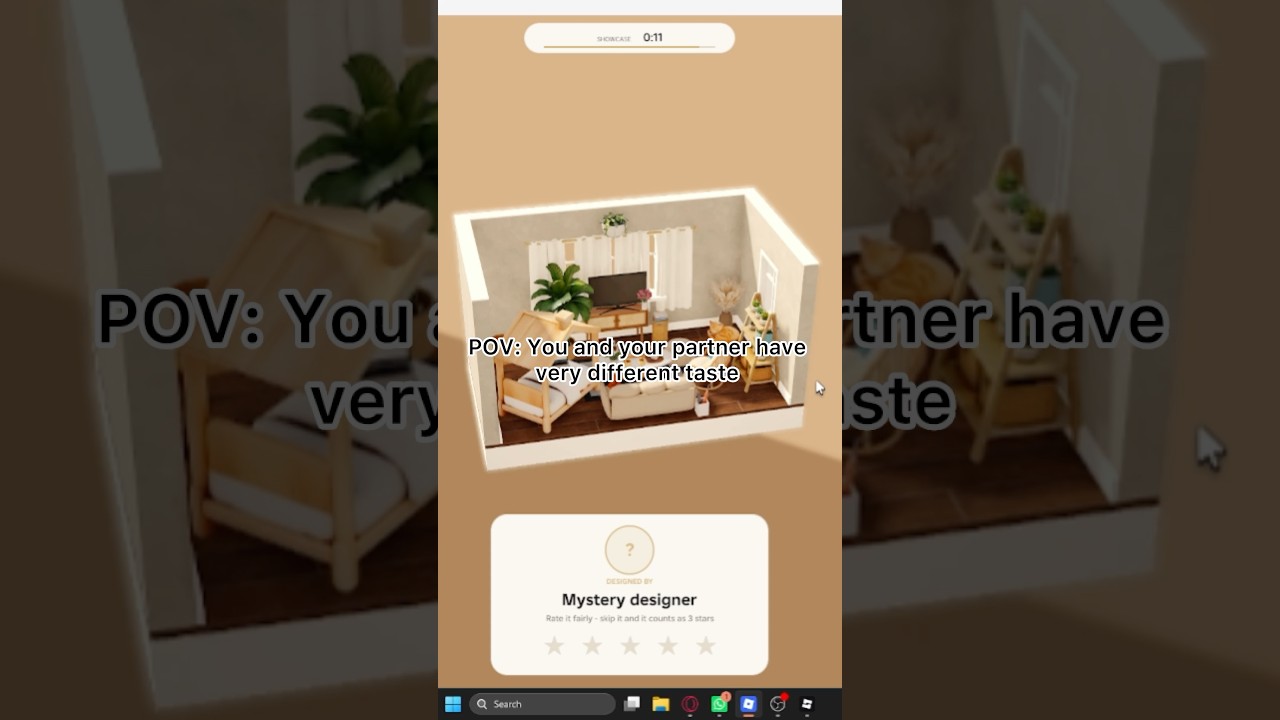
Themes are the brief. Tiny Rooms: Design And Decorate rotates cozy domestic prompts, and voters reward rooms that answer those prompts with soft colours, warm lamps, and fluffy rugs. This guide gives theme-by-theme playbooks for the room types you will see most: autumn bedrooms, grandma living rooms, snug attics, balcony rooms, and two-storey lofts. Use it with How to Win for scoring habits, Getting Started for the round loop, and Furniture tiers when you need to prioritize catalog categories.
Shared palette and lighting rules
Before specializing, lock a short recipe you can reuse under pressure.
- Pick two main soft colours plus one accent wood or metal tone.
- Recolor large pieces first so beds, sofas, and rugs agree.
- Place at least one warm lamp near the focal furniture.
- Use one fluffy rug to define the main zone; a second smaller rug only if paths stay clear.
- Stop adding props once a stranger could name the theme from the doorway.
These rules travel across every room type below.
Autumn bedroom
Mood words: harvest, layered, restful, golden-hour indoors.
Palette recipe: cream or warm white walls, terracotta or rust textiles, soft mustard or muted olive accents, medium wood furniture. Avoid icy blues unless you intentionally contrast a single throw.
Furniture plan: bed as the undisputed focus. Flank with matching or sister lamps. Layer bedding so the bed looks inviting rather than flat. A fluffy rug should sit partly under the bed or along the side where voters stand. A small accent table with a plant or book stack sells lived-in autumn without clutter.
Lamp strategy: warm bedside glow first. If you have a floor lamp, park it in the reading corner, not blocking the entry. Recolor shades toward parchment or soft amber.
Rug strategy: one plush mid-tone rug that picks up the rust or cream family. Busy leaf patterns work only if furniture swatches stay quiet.
Common mistake: filling every wall with seasonal props until the bed disappears. Keep autumn cues on textiles and one or two shelf objects.
Grandma living room
Mood words: nostalgic, welcoming, soft conversation, Sunday afternoon.
Palette recipe: dusty rose, sage, cream, warm wood, maybe a gentle floral accent. Think kindly worn, not museum formal.
Furniture plan: sofa as the heart, with a clear coffee or accent table relationship. Add a secondary chair if space allows so the room suggests company. Wall decor should feel collected: one framed piece or a small set, not a sticker wall. Plants humanize corners that would otherwise feel boxy.
Lamp strategy: a warm lamp beside the sofa does more than overhead brightness. Table lamps on side tables sell the grandma brief better than a single harsh light in the middle of nowhere.
Rug strategy: a fluffy rug under the seating group pulls chairs and sofa into one nest. Pattern can be traditional if colours stay soft.
Common mistake: making the room too precious. Grandma cozy is approachable. Leave a walk path and a place that looks sit-ready.
Snug attic
Mood words: tucked away, quiet, low ceiling intimacy, hideout comfort.
Palette recipe: soft taupe, cream, muted blush, deep but soft greens or browns for grounding. Keep contrast gentle so slopes do not feel busy.
Furniture plan: respect the architecture. Place the main seat or daybed where headroom feels best. Avoid stacking tall cabinets under the lowest slope. A reading chair, small table, and warm lamp often beat a full living-room set crammed into the peak.
Lamp strategy: one focused warm lamp creates a pool of light that sells snug. Secondary fairy-soft glow is optional; do not blast every corner equally or the attic loses its hideout feel.
Rug strategy: a soft rug under the seating island defines the usable zone inside awkward geometry. Texture matters more than size.
Common mistake: fighting the slope with oversized wardrobes. Embrace the nook. Voters love attics that feel intentionally small.
Balcony room
Mood words: breeze, morning coffee, indoor-outdoor, plant softness.
Palette recipe: airy creams, soft sage, light wood, sky-adjacent blues kept pastel, terracotta pots as accents.
Furniture plan: seating should face the view or the open edge when the shell allows. Keep the center relatively clear so the balcony reads as a place to stand and breathe. Plants are high value here; use them as living rail softener and height variety without blocking paths.
Lamp strategy: softer evening balcony vibes still need a warm lamp or lantern-like piece near seating so night votes do not look abandoned. Do not rely on implied daylight alone if the round lighting is dim.
Rug strategy: an outdoor-feeling flatweave or soft small rug under chairs grounds the set without looking like a bedroom carpet dragged outside. Keep edges neat so the balcony floor still shows.
Common mistake: filling the balcony like a storage closet. Negative space is part of the theme.
Two-storey loft
Mood words: vertical story, open lounge below, rest above, connected palette.
Palette recipe: one shared soft family across both levels so the loft feels intentional. Use a slightly deeper tone upstairs or downstairs for hierarchy, not a total palette swap.
Furniture plan: decide which level owns the primary focus. Many strong lofts put lounge seating and the main rug downstairs with a calm sleep zone upstairs, or the reverse if the prompt emphasizes bedroom energy. Do not split attention evenly with two competing hero pieces of equal visual weight.
Lamp strategy: light both levels, but make the hero level warmer and clearer. A dark upstairs reads unfinished even if downstairs is perfect.
Rug strategy: one strong rug on the hero level, a quieter runner or smaller rug on the secondary level. Matching soft colours stitch the storeys together.
Common mistake: stair-blocking props and mismatched floors that make the loft feel like two unrelated rooms glued together.
Fast theme triage when the timer is short
- Name the room type and mood word.
- Place focal furniture.
- Recolor to the palette recipe.
- Drop rug and warm lamp.
- Add two support props max.
- Clear paths and vote-study on the next visit phase.
If you still have time, refine symmetry and plant placement. If not, stop. A readable theme beat an incomplete masterpiece. For vote psychology and edit discipline, return to How to Win. For device-specific placement help, use Controls. For which lamps, rugs, and seating categories tend to swing cozy votes, open the Furniture Tier List and the parent Tier List hub.
Theme mastery is pattern recognition. Run these recipes until your hands place the focal piece and lamp without hesitation. That speed is what turns soft taste into consistent wins across Tiny Rooms lobbies.
Frequently Asked Questions
Quick answers for Tiny Rooms Design And Decorate players.
Which room types appear most often?
Expect cozy domestic shells such as autumn bedrooms, grandma living rooms, snug attics, balcony rooms, and two-storey lofts, with soft colour and warm lighting expectations.
How many colours should I use?
Two soft main colours plus one wood or metal accent keeps rooms readable. Extra accents belong on small props, not every large piece.
Should every theme use fluffy rugs?
Most indoor cozy themes benefit from a grounding fluffy rug. Balcony rooms may prefer a lighter outdoor-feeling rug that still defines seating.
What if I only have a minute left?
Lock focal furniture, palette, rug, and warm lamp, then clear walking paths. Skip extra shelves if the theme already reads from the doorway.
Where do furniture priorities fit in?
After you know the theme recipe, use the Furniture Tier List to decide whether lamps, rugs, seating, or plants deserve your next unlock attention.