Tiny Rooms Design And Decorate Recoloring Furniture in Tiny Rooms
Soft palette rules, rug and lamp-first workflow, and device habits that keep tiny rooms cohesive.
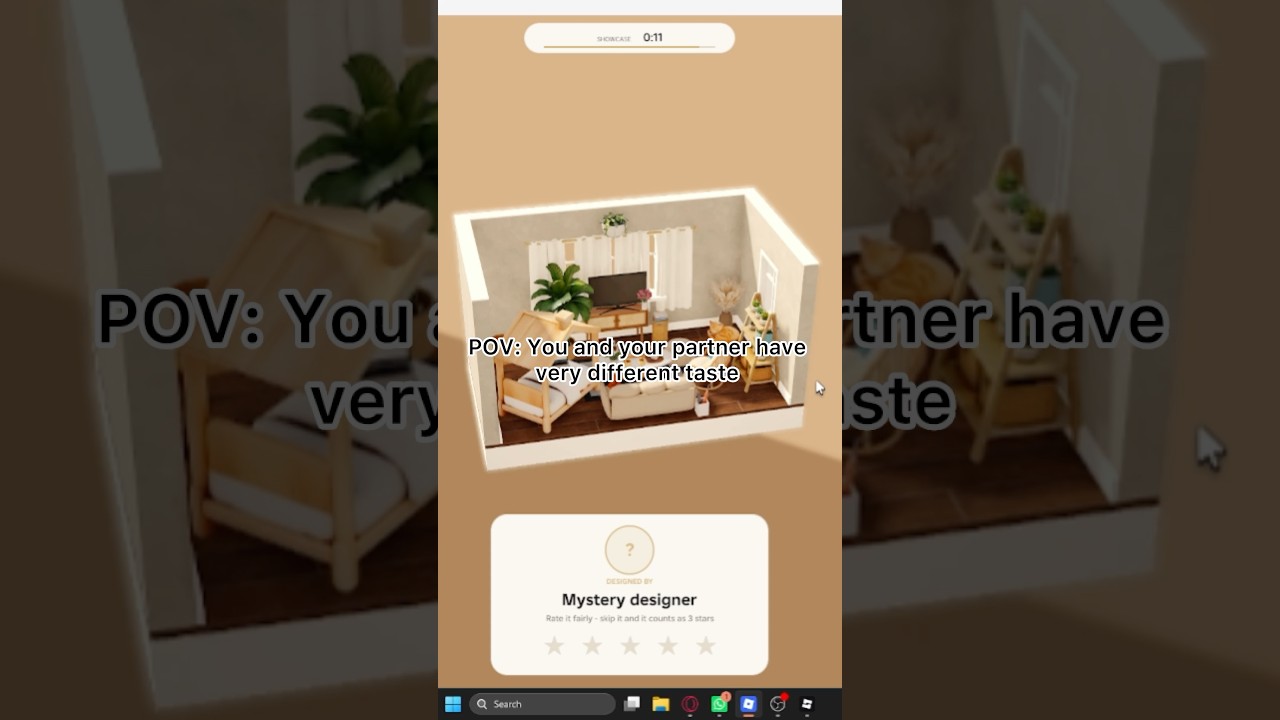
Recoloring is the quiet superpower of Tiny Rooms: Design And Decorate. OrchardField Studios’ cozy Roblox experience asks up to twelve players to style a tiny room to a soft domestic theme, then visit and vote for the cosiest builds. Soft colours, warm lamps, and fluffy rugs define the scoring language. A common sofa with a careful swatch often beats a rare prop left on a clashing default. This guide covers recolor workflow, palette rules, rug-and-lamp priority, how to avoid rainbow clutter, theme-specific swatches, and mobile versus PC habits.
Use it with Theme Design Tips for room-type recipes, the Tools hub for planners and checklists, Furniture tiers for what to unlock, and How to Win for vote psychology.
Recolor workflow that survives the timer
Work in a fixed order so you never end the round with beautiful props on ugly defaults.
- Read the theme and pick a mood word (harvest, nostalgic, snug, breeze, lofted).
- Place the focal piece (bed, sofa, or main seat) and recolor it immediately.
- Drop a fluffy rug and a warm lamp, then recolor both to the same soft family.
- Lock two or three colours plus one wood or metal accent before adding more furniture.
- Recolor every new large piece on placement instead of batching at the buzzer.
- Edit outliers that break the family—delete or reswatch them before garnish.
- Final doorway check: does the palette still read soft and theme-true?
Recolor early. Late recolors under pressure create mismatched cushions, harsh shade whites, and accidental rainbow floors.
Soft palette rules: 2–3 colours + accent
Tiny footprints punish busy colour stories. Use a short recipe:
- Dominant soft (cream, warm white, soft taupe) on large planes and major upholstery
- Support soft (dusty rose, sage, clay, muted mustard, gentle blue-grey) on textiles and secondary seats
- Accent material (warm wood, soft brass, matte black sparingly) on legs, frames, and small hardware
- Optional single sparkle (one pillow, one plant pot, one art mat) that still belongs to the family
Avoid equal RGB loudness across five hues. Soft does not mean colourless; it means low clash and gentle contrast. Under warm lamps, creams and clays glow; icy neons fight the cozy brand of Tiny Rooms.
Rugs and lamps first
Rugs and lamps are palette anchors as much as furniture categories.
Rugs. A fluffy rug grounds the nest and stitches slightly different furniture swatches together. Recolor the hero rug toward the dominant or support soft so seating and beds feel intentional. One strong rug beats three competing mats. Busy patterns need quieter furniture; quiet rugs can support slightly bolder textiles.
Lamps. Shade colour changes mood. Parchment, cream, and soft amber read evening cozy. Pure white glare can feel clinical. Place light on the focal furniture, then match shade swatches to the textile family so glow and fabric agree.
If you only perfect two recolors per round under time pressure, perfect the rug and the lamp that hits your focus. Doorway voters feel those first.
Avoiding rainbow clutter
Rainbow clutter happens when every unlock keeps its default and you “fix it later.” Defaults often disagree. Symptoms:
- Five unrelated wood tones
- Neon edges on otherwise soft sofas
- Mixed primary pillows with no shared undertone
- Wall art that introduces a fourth and fifth hue late
Fixes:
- Recolor on placement
- Limit pillow and small-prop hues to the support colour
- Match frame tones to your wood or metal accent
- Remove the loudest piece instead of adding a louder counterpiece
- Prefer deleting one clash over buying visual noise with more objects
Clutter is not only object count; it is colour noise. Soft rooms can hold several props if swatches agree.
Theme-specific swatch recipes
Autumn bedroom: cream or warm white, terracotta or rust textiles, soft mustard or muted olive, medium wood. Keep blues rare unless one intentional throw.
Grandma living room: dusty rose, sage, cream, warm wood, gentle floral accents. Kindly worn, not museum formal.
Snug attic: soft taupe, cream, muted blush, deep-but-soft greens or browns. Gentle contrast so slopes stay calm.
Balcony room: airy creams, soft sage, light wood, pastel sky cues, terracotta pots. Leave breath; do not paint every surface dark.
Two-storey loft: one shared soft family on both levels. Shift value slightly for hierarchy (deeper downstairs lounge, calmer upstairs sleep) without a total palette swap.
Detailed placement recipes live on Theme Design Tips. Recolor is how those recipes survive real catalog limits.
Mobile vs PC recolor habits
On mobile: fewer large pieces, earlier swatches, bigger tap targets. Recolor the focal, rug, and lamp before you hunt tiny props. Zoom out after each swatch to catch clashes your thumb might miss. Prefer short palettes you can remember without a notes app.
On PC: use precision to nudge and compare sister pieces side by side. Still recolor on placement—precision does not save a last-ten-seconds rainbow panic. Zoom out for doorway reads after shade changes; lamp glow and rug tone look different at tour distance than in close build cam.
On both devices, if the recolor UI feels stuck, leave and rejoin once, then restore your short palette from memory. Keep a personal swatch note (cream, clay, sage, brass) so you stop reinventing under timer stress. The Tools hub checklist mindset helps here.
How recoloring ties to votes and unlocks
Voters often cannot name your hex codes, but they feel harmony. Soft agreement reads as intentional cosiness; clash reads as unfinished. That is why How to Win puts lighting and focal clarity beside palette discipline.
When free spins unlock new pieces, ask whether they recolor softly across your recipes. Unlock lamps and rugs that take cream and clay well before stacking wall garnish. Cross-check Furniture tiers so spins fund recolor-flexible categories.
Practice drill
Play three rounds with a hard rule: only two soft colours plus one wood accent. No fourth hue. Force rugs and lamps into that family first. On the visit phase, note which neighbor rooms used the same discipline. Your eye will start rejecting rainbow defaults automatically.
Recoloring is not a cosmetic afterthought in Tiny Rooms—it is the craft. Lock a short soft palette, swatch rugs and lamps early, match theme recipes, and edit colour noise as ruthlessly as object clutter. Do that and even a modest catalog looks like a finished cozy nest under OrchardField’s warm tiny-room lights.
Frequently Asked Questions
Quick answers for Tiny Rooms Design And Decorate players.
How many colours should I use when recoloring in Tiny Rooms?
Aim for two or three soft colours plus one wood or metal accent. Add at most one small sparkle that still belongs to the family.
What should I recolor first?
Recolor the focal furniture, then the hero fluffy rug and the warm lamp that lights that focus, before batching small props.
Why do my rooms look busy even with few objects?
Colour noise counts as clutter. Defaults that clash across woods, pillows, and neon edges break cosiness even at low prop counts.
Do mobile and PC players recolor differently?
Mobile players should lock fewer large pieces and swatch earlier. PC players can fine-tune placement but should still recolor on placement, not at the buzzer.
Where can I find theme palette recipes?
Use Theme Design Tips for autumn, grandma, attic, balcony, and loft recipes, and the Tools hub for reusable checklist planning.